


For many students in the UK or international students, an internship is more than a way to gain experience—it can be an opportunity to step outside the classroom, experience a new culture, and understand how their skills can contribute to real-world challenges.
If you are interested in international development, social impact, education, sustainability, communications, or community development, you may have considered completing an internship with an NGO in Cambodia.
But where do you actually find these opportunities?
Why Consider an NGO Internship in Cambodia?
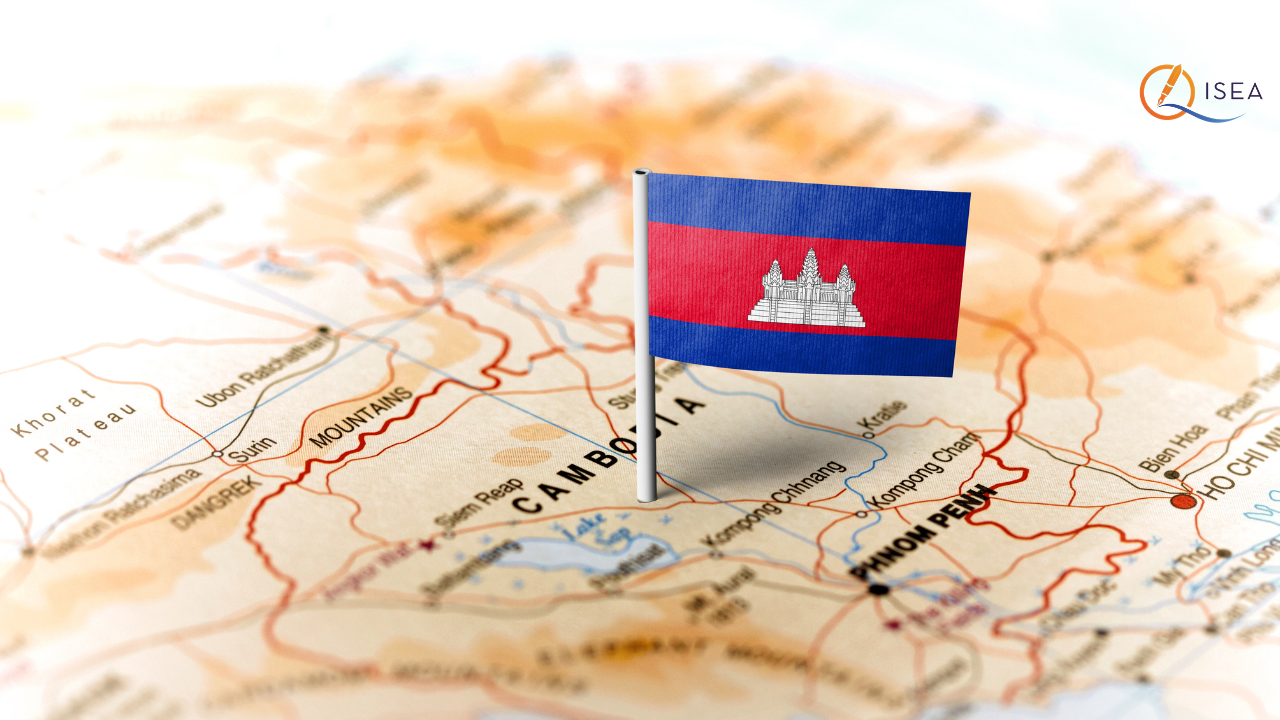
Cambodia has a diverse nonprofit and development sector, with organisations working across areas such as education, poverty reduction, community development, environmental sustainability, women’s empowerment, healthcare, and youth development.

For UK university students, an internship with an NGO in Cambodia can offer a different perspective from a traditional office-based placement in the UK. You may have the opportunity to work alongside local communities, international organisations, and professionals from different cultural backgrounds.
It can also help you develop skills that employers increasingly value, including:
- Cross-cultural communication
- Project management
- Research and analysis
- Communication and marketing
- Teamwork
- Problem-solving
- Adaptability
- Community engagement
Most importantly, an international internship can help you understand how development challenges and solutions differ across countries and communities.
Where Can UK Students Find NGO Internships in Cambodia?
Finding an international internship can feel overwhelming, especially if you are searching from the UK. Here are some places to start.
- Search NGO Websites
- Use LinkedIn
- Check Your University’s Careers Service
- Work With an Internship Placement Organisation
1. Search NGO Websites
Many NGOs advertise internships and volunteer opportunities directly through their websites. If you already know the area you are interested in, search for organisations working in that field.

For example, you could search:
- “education NGO Cambodia internship”
- “community development internship Cambodia”
- “communications NGO Cambodia”
- “environmental internship cambodia”
Don’t limit yourself to organisations that specifically advertise an “internship.” Some NGOs may be open to discussing placements with students even when there is no position publicly listed.
2. Used LinkedIn
LinkedIn can be particularly useful for international students searching from the UK.
Try searching for combinations such as:
- NGO Intern Cambodia
- NGO Internship Phnom Penh
- International Development Intern Cambodia
- Communications Intern NGO Cambodia
- Project Management Intern Cambodia
- Social Impact Internship Cambodia
You can also follow NGOs and development organisations based in Cambodia to keep up with new opportunities.
3. Check Your University’s Careers Service
If you are studying at a UK university, don’t overlook your university’s careers team.
Many UK universities have international internship programs, career portals, employer networks, or funding opportunities for students undertaking placements abroad. Your university may also have specific guidance about completing an internship outside the UK, including insurance, risk assessments, visas, and funding. Nonetheless, your universities may have partnerships with organizations abroad or programs specifically designed to help students gain international work experience.
Don’t just search for the word “internship.” Try looking for terms such as:
- International internships
- Overseas placement
- Global internships
- Summer internship abroad
- International development placement
- NGO internship
- Volunteering and social impact opportunities
Your careers team may also be able to help you with the application process. For example, they can review your CV, provide interview preparation, help you identify transferable skills, and advise you on how to approach organisations professionally.
If you’re planning to complete an internship in Cambodia as part of your degree, it’s also worth speaking with your course leader, placement officer, or study-abroad team. Some universities have specific requirements for students undertaking placements overseas, such as completing risk assessments, obtaining appropriate insurance, or having the placement formally approved.
Don’t Forget to Ask About Funding
One thing UK students should check before arranging an internship abroad is whether their university offers funding or financial support for international placements.
Depending on your university and course, there may be grants, bursaries, travel funds, or other forms of support available to help with the costs of an overseas internship.
You should ask your university: “Are there any funding opportunities available for students completing an internship or work placement overseas?”
Even if your university does not advertise funding specifically for Cambodia, there may be broader international mobility or work-placement funding that you could be eligible for. Starting with your university can therefore save you time—not only by helping you find opportunities, but also by making sure you understand the practical and financial requirements before you travel.
4. Work With an Internship Placement Organisation

Searching for an NGO internship independently can take considerable time. You may need to identify suitable organisations, contact them, arrange interviews, and work out the practical details of completing an internship overseas.
An internship placement organisation can simplify this process by connecting students with organizations that are looking for interns.
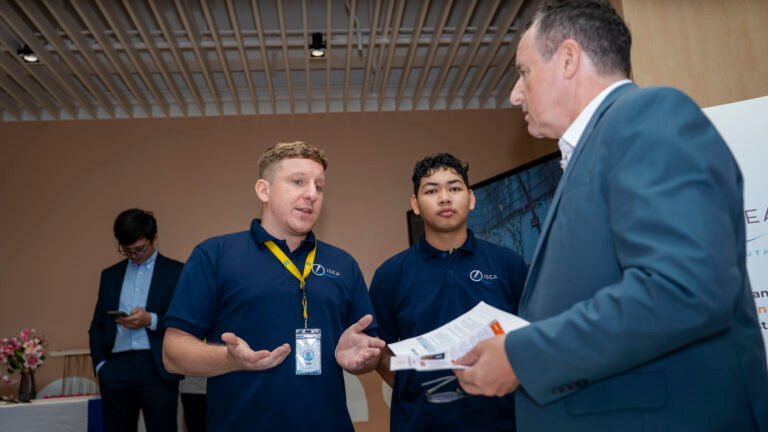
For international students interested in Cambodia or Southeast Asia, Internship South East Asia (ISEA) provides a pathway to internship opportunities with organisations across the region.
Instead of searching for an opportunity completely on your own, students can share their interests, academic background, and career goals and explore suitable opportunities with potential host organisations.
What Kind of NGO Internship Could You Do?
You don’t necessarily need to study international development or social sciences to work with an NGO. NGOs need people with a wide range of skills.
For example, a business student might support fundraising, partnerships, or project management. A marketing student could work on social media and communications. A computer science student might help with websites, databases, or digital systems.
Some common NGO internship areas include:
Communications & Marketing
Creating social media content, writing campaigns, developing communications materials, or supporting an organisation’s public outreach.
Education
Supporting educational programs, developing learning materials, or assisting with youth-focused projects.
Community Development
Supporting community programs, research, events, or projects designed to improve local livelihoods.
Research & Policy
Conducting research, analyzing information, preparing reports, or supporting policy-related projects.
Fundraising & Partnerships
Researching potential donors, preparing proposals, supporting fundraising campaigns, or developing partnerships.
Project Management
Helping organisations coordinate activities, monitor projects, communicate with stakeholders, and evaluate outcomes.
This means your degree doesn’t have to be directly related to NGO work. Your existing skills can often be transferred into a social-impact environment.
Do I Need Previous NGO Experience?
Not necessarily.
For many students, an internship is their first opportunity to work in the nonprofit or international development sector. What matters is being able to demonstrate your willingness to learn and the skills you already have.
For example, university projects, society leadership, volunteering, part-time jobs, coursework, or student organizations can all demonstrate useful experience.
If you have managed a university event, you have project management experience. If you have run a society’s Instagram account, you have communications experience. If you have conducted academic research, you have research experience.
The key is learning how to connect your existing experience to the needs of an NGO.
What Should Students Consider Before Applying?

Before accepting an internship in Cambodia, consider more than just the position itself. Ask about:
- Internship duration and working hours
- Your responsibilities and expected outcomes
- Supervision and mentorship
- Accommodation and living arrangements
- Insurance
- Visa requirements
- Travel arrangements
- Whether the internship is paid or unpaid
- Any university requirements for overseas placements
- The organisation’s safeguarding and ethical practices
It is also worth speaking with your university before travelling. Your careers service or study-abroad team may be able to provide additional guidance and tell you whether you are eligible for financial support.
Why Choose Cambodia for an International Internship?
An internship in Cambodia can give UK students an opportunity to develop professionally while experiencing a rapidly developing Southeast Asian country.
Rather than simply learning about international development from lectures or textbooks, you can experience a different working environment and see how organizations operate in another cultural context.
You may also return to the UK with something that is difficult to gain from a conventional internship: a broader understanding of how your skills can be applied across different communities and countries.
Ready to Find an NGO Internship in Cambodia?
If you’re a UK university student or international graduate looking to gain international experience, Cambodia could be a place to start.
Whether you’re studying business, marketing, development studies, communications, technology, education, or another field, there may be opportunities to apply your skills within Cambodia’s NGO and social-impact sector.
ISEA can help connect international students with internship opportunities across Cambodia and Southeast Asia.
Instead of spending weeks searching for opportunities on your own, start by identifying your interests, skills, and career goals—and find an internship that allows you to put them into practice.
Looking for an international internship in Cambodia? Explore opportunities with ISEA or submit your resume/CV today.